Corundum Castable
AL2O3-based castable with 1700°C refractoriness, specified for boilers and heating furnaces where dense alumina linings are required.
Unshaped refractory castables from Zhengzhou Zhongqi Refractory Materials Co., Ltd. for boilers, heating furnaces, and continuous casting tundishes — supplied in corundum, steel fiber wear-resistant, magnesia and silica formulations.
Product Range
Castables are installed by casting and then cured in place, forming a monolithic refractory lining that follows the contour of the host structure. Zhongqi supplies castables for furnace roofs, boiler walls and separators, and tundish linings.
AL2O3-based castable with 1700°C refractoriness, specified for boilers and heating furnaces where dense alumina linings are required.
High-strength, wear-resistant castable with steel fiber reinforcement, used in circulating fluidized bed boiler separators and return devices.
Magnesia and silica dry ramming and vibration materials for continuous casting tundishes, selected by tundish size and casting duration.
Corundum Castable
The corundum castable is a monolithic alumina material suited to boiler and heating furnace construction, where a single cast body resists mechanical stress and heat cycling without joint lines.
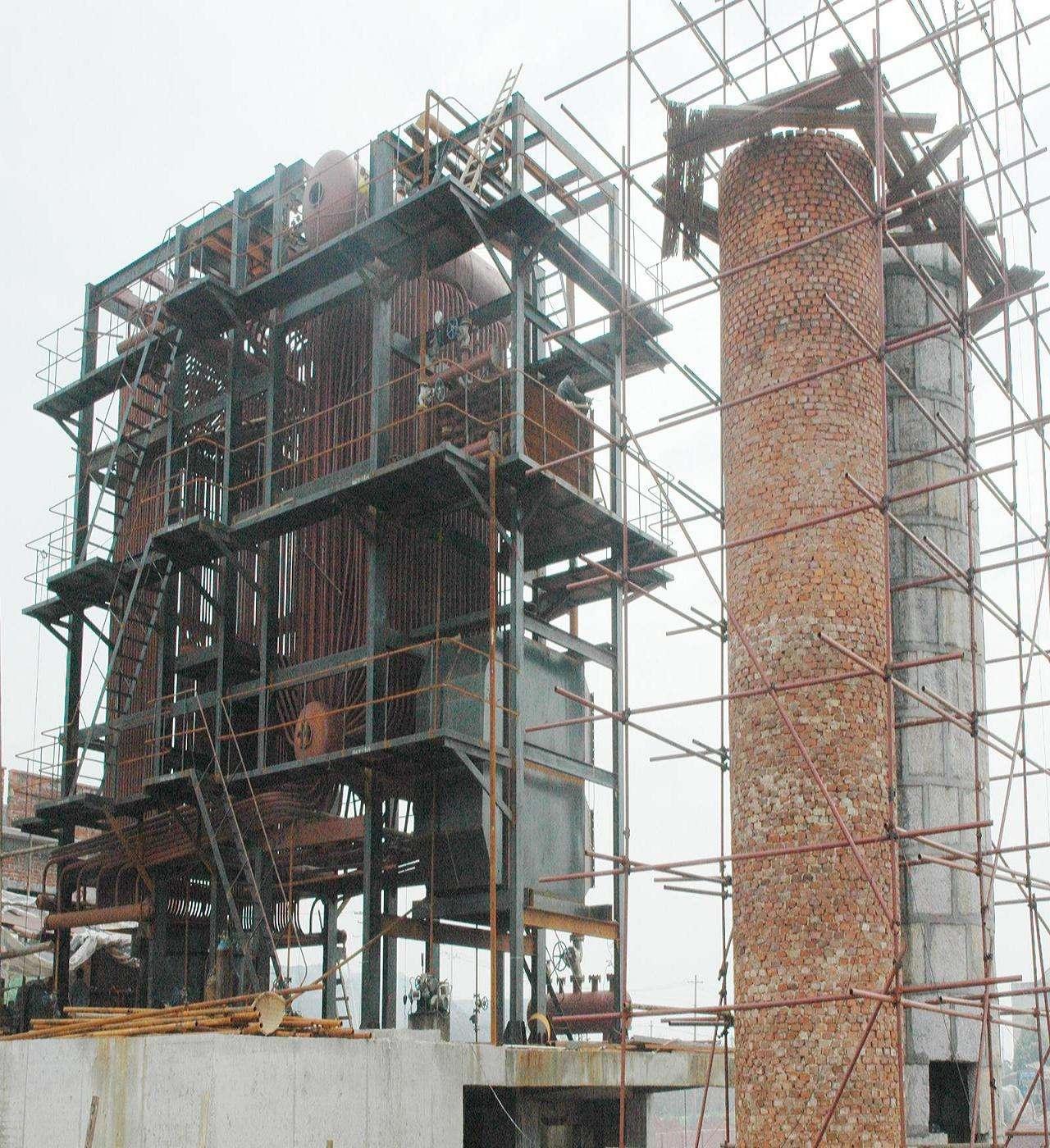
Steel Fiber Castable
In circulating fluidized bed boilers, separators and return devices are exposed to sustained particle abrasion at elevated temperature. Steel fiber high-strength wear-resistant castable is applied in these zones to extend lining life under erosion.
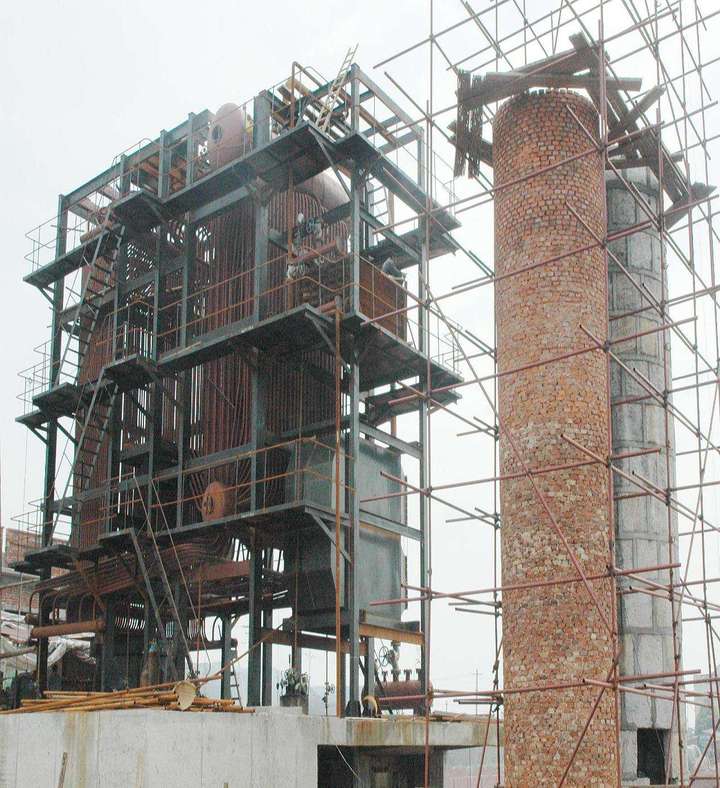
Tundish Materials
Continuous casting tundishes are lined in three layers — a working layer, a permanent layer and an insulation layer. Dry materials are compacted by ramming or vibration, giving fast construction and clean steel production.
| Material | Application | Notes |
|---|---|---|
| Silica dry vibratable ramming mass | Small and medium tundishes | Silica base, installed by vibration |
| Magnesia dry vibratable mass | Large and long-duration tundishes | Magnesia base, installed by vibration |
Reported working layer lives for individual case studies vary by steel plant and material system.
Castables represent one of the most versatile branches of the unshaped refractory family, installed by pouring and curing in place rather than by laying individual bricks. Because the material is cast against its host structure, the finished monolithic lining follows every contour, curve and transition of the furnace, giving designers freedom where conventional brickwork would be slow or impractical. This makes castables a natural fit for demanding thermal environments such as boilers, heating furnaces and continuous casting tundishes, where a continuous lining can reduce joints and weak points.
Different service conditions demand different chemistry, and castable producers typically offer a range of formulations to match the working environment. Corundum-based grades suit high-temperature abrasion and metal contact, steel fibre reinforced variants improve resistance to mechanical wear and erosion, and magnesia or silica formulations serve areas where basic or acidic slag chemistry governs lining life. Selecting the correct family is a balance between furnace temperature, atmosphere, chemical attack, thermal cycling and the physical stresses imposed by the charge being processed.
Monolithic construction also changes the installation logic of a furnace build. Instead of a bricklayer assembling a wall course by course, the lining is placed as a continuous mass, then cured properly so that the cast body develops its mechanical strength and refractory character. Careful mixing, placement and curing are essential, and the curing programme is generally matched to the binder chemistry of the chosen grade. Poor workmanship in either stage can compromise a lining that would otherwise be well specified, which is why installation guidance accompanies material supply.
For industrial buyers evaluating refractory supply, the broader product landscape usually includes refractory bricks, castables, insulating bricks, circulating fluidised bed boiler materials and AZS bricks for glass furnace applications. Each category occupies its own place in furnace design, and castables often complement the others by handling zones that are geometrically complex, thermally cycled or exposed to wear that a standard brick lining struggles to tolerate. A mixed approach, pairing shaped and unshaped products, frequently gives the most durable result for a given furnace duty.
Understanding the market in which these materials are traded has become increasingly data-driven, with investors and industrial observers relying on structured public information, company disclosures and expert commentary to follow price movements and performance trends. Tools that present share prices, targets and forecasts alongside sector news help readers build context around raw material costs and energy pricing that influence refractory economics. As with any market-related information, projections represent informed opinion rather than certain outcomes, and independent verification is always prudent before decisions are made.
Technical Support
Alongside castable supply, Zhongqi publishes application notes covering plastic refractory roof work, boiler wall masonry and kiln brick construction plans, together with tundish lining practice for continuous casting.