Power Generation Refractories
Circulating Fluidized Bed Boiler Solutions
Refractory linings, castables and masonry construction for circulating fluidized bed boilers, supporting stable operation, heat insulation and reliable furnace-wall performance.
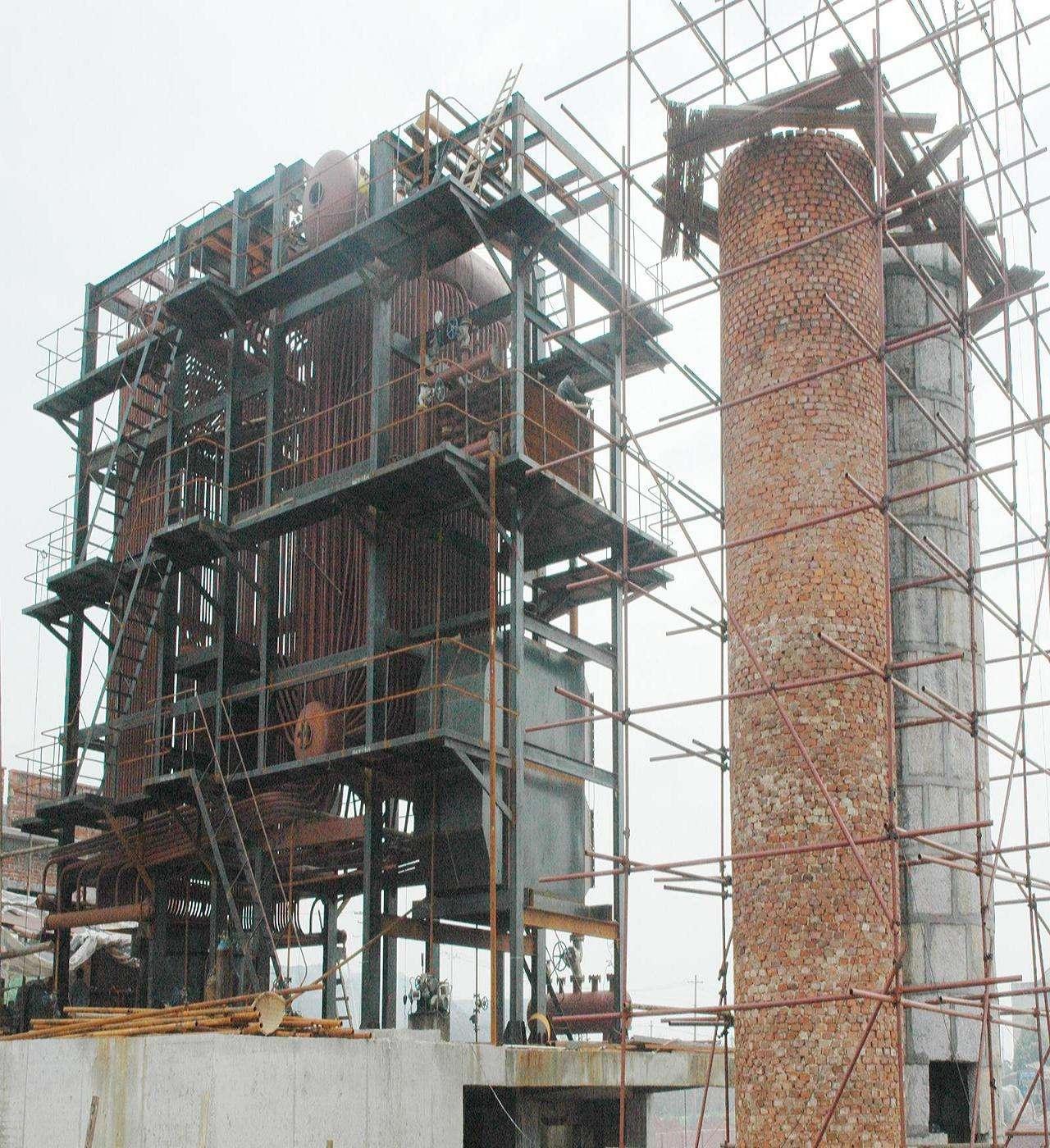
Single Drum, Natural Circulation
Circulating fluidized bed boilers served by our refractory materials use a single drum structure with natural circulation. The lining package is matched to the furnace walls, separators and return devices so that the hot section keeps stable operation under continuous cycling.
Circulating fluidized bed boilers demand refractory linings that can withstand prolonged high-temperature cycling, thermal shock and steady mechanical strain. Our approach matches refractory bricks, castables and masonry construction to the specific furnace wall geometry of each unit, helping maintain stable operation, effective heat insulation and dependable furnace-wall performance over the long term.
The lining package for a single drum, natural circulation boiler is engineered as a complete system rather than a loose collection of materials. Brick, castable and insulation layers are combined in a coordinated build-up so that expansion joints, anchor placement and backup layers all work together, reducing the likelihood of early lining failure and unplanned shutdowns.
Refractory linings are one of the most frequently replaced consumables in power generation equipment, and their service life is strongly influenced by operating conditions such as load variations, fuel characteristics and start-stop cycles. Selecting durable lining materials and correct construction techniques is therefore a practical route to improving boiler availability and reducing maintenance frequency.
Our power generation refractory portfolio covers the wider needs of the sector, with product groupings arranged around boiler structures and associated applications. A dedicated technical service team supports specification, installation and on-site troubleshooting, while clear documentation of material properties helps plant engineers evaluate options against their own operating requirements and compliance expectations.
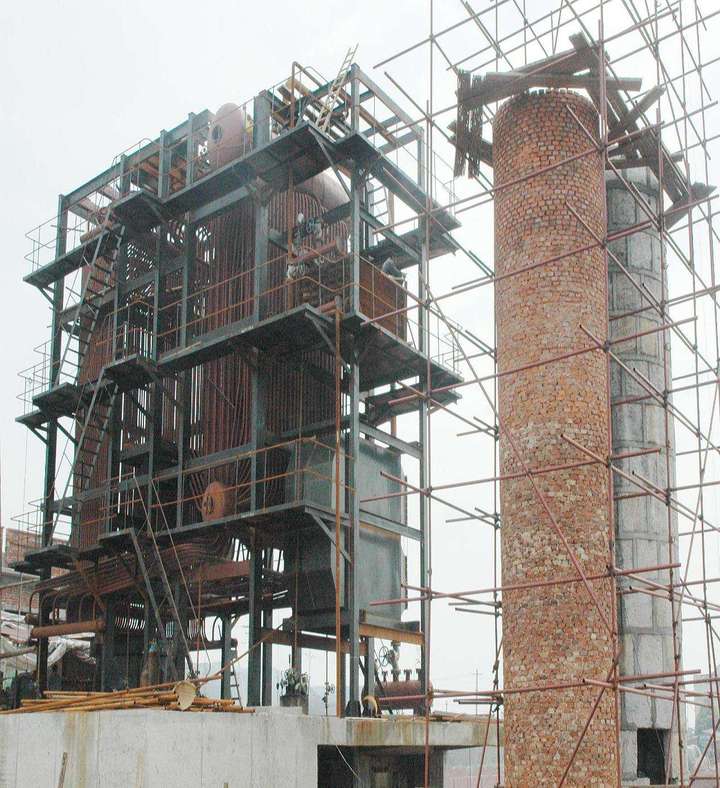
Where Refractory Is Applied
- Furnace and boiler wall masonry lining, built for stability and heat insulation.
- Separator and return device internals, protected with steel fiber high-strength wear-resistant castable.
- Superheater zone protection during operation and maintenance.
- Heating-furnace roof applications with zero-expansion plastic refractory.
Our castable range for circulating fluidized bed boilers covers the wear-prone zones where material erosion and thermal shock are most severe.
Castables RangeSuperheater Operation & Maintenance
Refractory condition around the superheater influences heat transfer and long-term boiler availability. Maintenance planning should be coordinated with the refractory lining condition so that worn sections are repaired in the correct shutdown window rather than during operation.
- Inspection. Check furnace wall, separator and return device linings for erosion, spalling and cracking.
- Water quality. Maintain feedwater and boiler water quality to the requirements of GB1576-2001.
- Repair planning. Schedule masonry work and castable patching around the superheater during planned outages.
- Material matching. Select castables and bricks suited to each boiler zone and its temperature range.
Boiler Wall Masonry Process
Wall masonry for boiler and kiln linings follows a set sequence so that the finished wall stays stable, keeps its heat insulation performance and avoids premature failure of the refractory body.
| Stage | Work carried out | Outcome |
|---|---|---|
| Preparation | Surface cleaning, checking of anchors and support steelwork, material inspection | Sound substrate for lining work |
| Layout | Setting out courses and joint positions on the wall | Even joint distribution |
| Installation | Placing refractory bricks and applying castable at designated zones | Continuous refractory body |
| Joint treatment | Filling and finishing joints between units | Reduced heat leakage |
| Inspection | Checking alignment, joints and surface condition before start-up | Ready boiler for operation |